November 3, 2026
Landscaping combines thoughtful design, practical planning, and environmental awareness to create attractive, functional outdoor spaces. However, several misconceptions prevent homeowners from making the most of their properties. Understanding what landscaping involves can help homeowners make informed decisions, manage their budgets, and create outdoor areas that suit their needs. By separating common myths from reality, it becomes easier to recognize the value of professional planning and sustainable design.
Misconception 1: Landscaping Is Only About Aesthetics
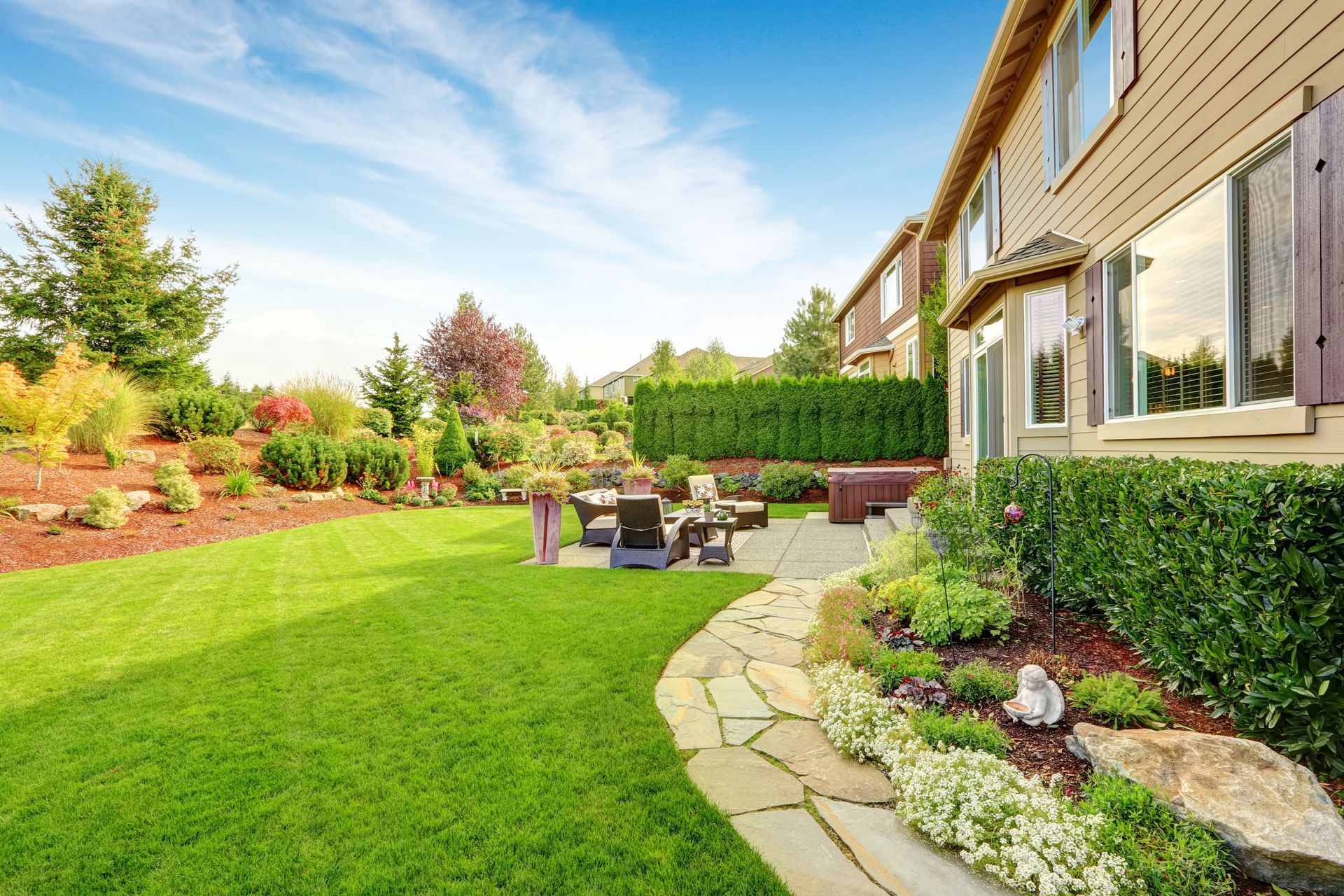
Many homeowners view landscaping as a way to improve curb appeal, but its benefits extend far beyond appearances. A well-designed yard can make outdoor spaces more functional by incorporating walkways, seating areas, outdoor lighting, and designated spaces for recreation. These features help homeowners enjoy their properties while creating a natural flow between different areas.
Landscaping also contributes to environmental health. Strategically placed trees and shrubs can provide shade, reduce soil erosion, and help manage stormwater runoff. Vegetation can also moderate temperatures around homes, making outdoor spaces more comfortable during warmer months. These practical benefits demonstrate why thoughtful planning matters as much as visual appeal.
Choosing native plants is another way to combine attractive design with functionality. Plants adapted to local conditions often require less supplemental watering and can support native birds, butterflies, and beneficial insects. Experienced landscapers can recommend suitable plant varieties and arrange them to complement the property's layout while supporting local biodiversity.
Misconception 2: Landscaping Is Too Expensive
Some homeowners avoid landscaping because they assume every project requires a substantial financial commitment. In reality, outdoor improvements can be planned around different budgets, property sizes, and priorities. Updating planting beds, adding a few shrubs, or improving an existing walkway can make a noticeable difference without requiring a complete yard renovation.
Landscaping can also be a worthwhile investment in a property's long-term appeal. According to LawnStarter, front and backyard landscaping should cost around 10% of a home’s value. This guideline provides a starting point for budgeting, although actual costs depend on the project's scope, materials, labor, and local conditions. Attractive outdoor spaces can strengthen a property's first impression and make it more appealing to prospective buyers.
Plant selection can further influence long-term expenses. Plants suited to the local climate and soil conditions are generally easier to maintain than varieties that require specialized care. Perennials, hardy shrubs, and appropriately selected trees can provide lasting structure without frequent replacement. Professional landscapers can help homeowners prioritize improvements, choose suitable materials, and avoid unnecessary spending by developing a plan that accounts for both immediate costs and future maintenance.
Misconception 3: Every Landscape Needs a Traditional Lawn
A green grass lawn remains popular, but it is not essential to every outdoor design. Traditional lawns may require frequent mowing, irrigation, fertilization, and weed control. Depending on the climate and grass variety, maintaining a healthy lawn can consume considerable time and resources. Homeowners who rarely use their lawns may benefit from considering alternatives that better match their lifestyles.
Ground covers, ornamental grasses, native planting beds, and decorative stone can provide visual interest without relying entirely on turf. Clover and other suitable ground covers may work well in certain settings, while flowering plants can add seasonal color and attract pollinators. Combining greenery with carefully placed hardscaping can also create distinct areas for relaxing, entertaining, or gardening.
Xeriscaping offers another alternative, particularly in areas where conserving water is a priority. This design approach uses drought-tolerant plants, efficient irrigation, and thoughtful placement to reduce unnecessary water use. Gravel paths, rock gardens, and native vegetation can contribute to an attractive landscape that requires less irrigation once established. Professional landscapers can help determine which alternatives are appropriate for local conditions and the homeowner's preferred style.
Misconception 4: Landscaping Is Only for Large Properties
Landscaping is not limited to homes with expansive lawns or large backyards. Small outdoor spaces can benefit just as much from careful planning. A compact patio, narrow side yard, or small front entrance can become more inviting through the strategic placement of plants, lighting, and decorative features.
Vertical gardening is one option for making the most of limited space. Trellises, wall-mounted planters, and climbing plants add greenery without occupying much ground area. These features can also introduce privacy and create visual separation between different parts of a yard. Raised planting beds may provide another practical solution when ground-level gardening is difficult.
Container gardening offers flexibility for patios, balconies, and other compact outdoor areas. Pots of different sizes can accommodate flowers, herbs, and small shrubs, allowing homeowners to rearrange their displays as needed. Selecting containers that complement the surrounding architecture helps create a cohesive appearance without overcrowding the space. Skilled landscapers can adapt designs to fit unusual layouts, making even modest outdoor areas more useful and attractive.
Misconception 5: Hardscaping Requires Little Maintenance
Patios, walkways, retaining walls, and other hardscape features can reduce certain maintenance tasks, but they are not completely maintenance-free. Dirt, leaves, moss, and stains can accumulate on outdoor surfaces. Pavers may shift over time, joints can lose their filling material, and changes in temperature can contribute to cracks in some materials.
Material selection and installation quality strongly influence how well hardscaping performs. Concrete, natural stone, and brick each offer different advantages, appearances, and maintenance requirements. Choosing materials that suit the local climate and intended use can help homeowners avoid premature deterioration. Proper grading and drainage are equally important because standing water can damage surfaces and contribute to uneven settling.
Routine inspections help identify small problems before they become more expensive repairs. Depending on the material, maintenance may include cleaning, replenishing joint sand, resealing surfaces, or correcting drainage issues. Landscapers can help homeowners select durable features and incorporate them into a design that balances appearance, function, and ongoing care. Planning for maintenance from the beginning makes outdoor spaces easier to manage over time.
Misconception 6: Landscaping Has Little Environmental Value
Another common misconception is that landscaping serves mainly decorative purposes and has little influence on ecological health. In reality, thoughtfully designed outdoor spaces can support biodiversity, improve soil conditions, and help manage water resources. Native flowering plants, shrubs, and trees provide food and shelter for pollinators, birds, and other wildlife.
Water conservation is another important consideration. Grouping plants according to their watering needs can make irrigation more efficient, while mulch helps retain soil moisture and reduce weed growth. Rain gardens and carefully planned drainage features can also help direct runoff and reduce the amount of water flowing across paved surfaces. These approaches allow homeowners to maintain attractive yards while using resources more responsibly.
Healthy soil is equally important for sustainable landscaping. Compost, organic mulch, and suitable planting practices can improve soil structure and support beneficial organisms. Limiting unnecessary chemical treatments can also help protect surrounding plants and wildlife. By considering soil, water, and plant health together, landscapers can create outdoor environments that remain resilient and productive over time.
Creating a Landscape That Works for Your Property
Understanding these misconceptions helps homeowners recognize that landscaping is about much more than making a yard look attractive. A thoughtful design can improve everyday usability, support environmental health, increase curb appeal, and make better use of available space. It can also help homeowners manage costs by prioritizing improvements and selecting plants and materials suited to their properties.
Every property has different needs, from drainage challenges and limited planting space to maintenance preferences and long-term goals. A tailored approach ensures that outdoor improvements complement the home rather than follow a one-size-fits-all design. Working with experienced professionals can help homeowners evaluate these factors and develop a practical plan.
For homeowners ready to improve their outdoor spaces, Stony Hill Landscaping can help turn landscaping goals into a cohesive, functional design. Contact their team of landscapers to discuss your property, explore suitable improvements, and create an outdoor environment that balances beauty, usability, and lasting value.