April 30, 2026
Landscape design is more than arranging plants and outdoor features because it is a structured process that reshapes how people experience their outdoor environment. Skilled landscape designers use planning, creativity, and technical knowledge to turn ordinary yards into functional and visually balanced spaces.
A well-designed landscape can influence how a property is used every day while also improving its long-term value and appeal. Landscape designers focus on blending natural elements with built structures so that outdoor areas feel intentional, comfortable, and connected to the home.
Enhancing First Impressions Through Curb Appeal
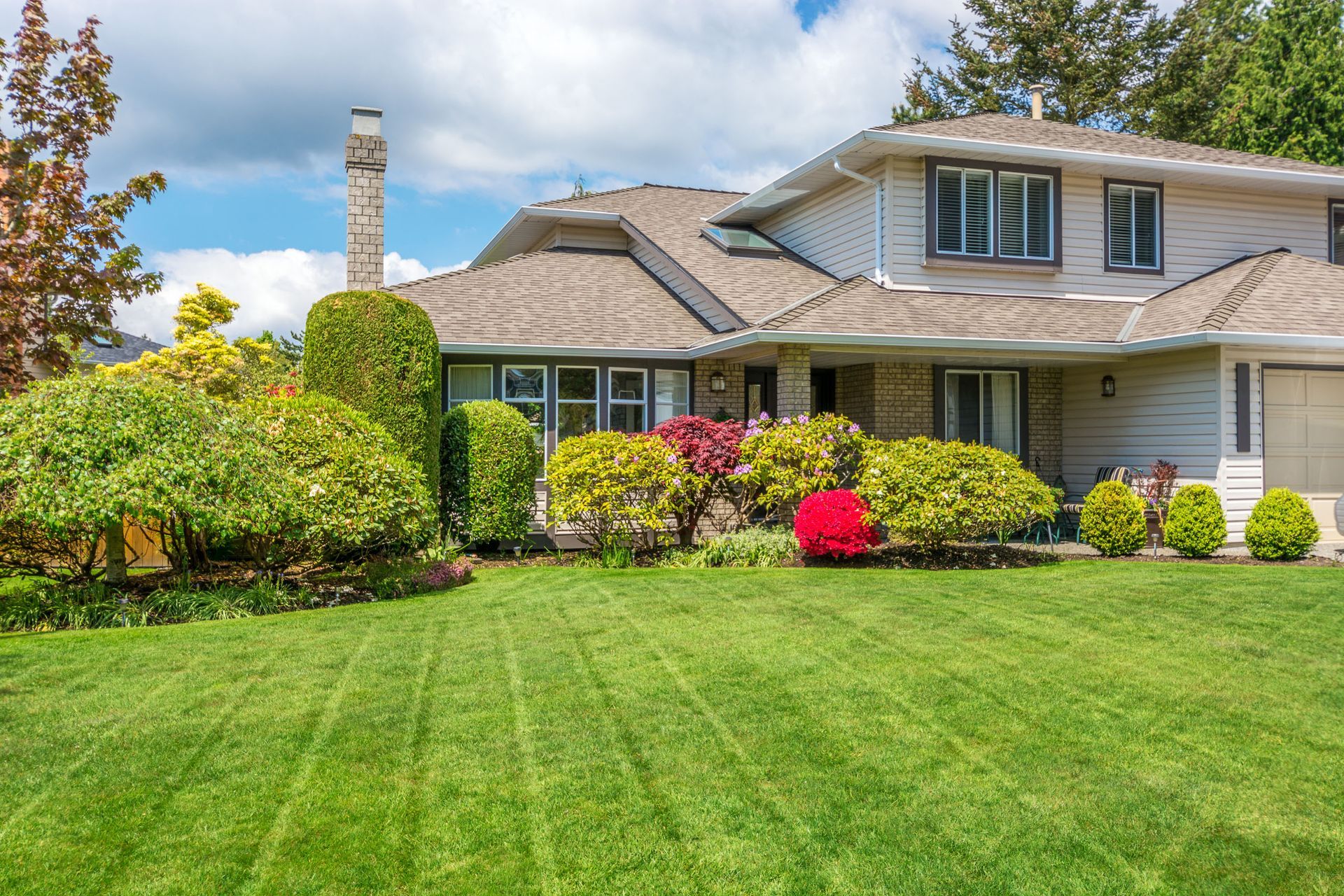
Curb appeal is often the first major improvement that landscape designers focus on when transforming a property. The front yard sets the tone for the entire home, and carefully selected plants, pathways, and structural elements can completely change how a property is perceived.
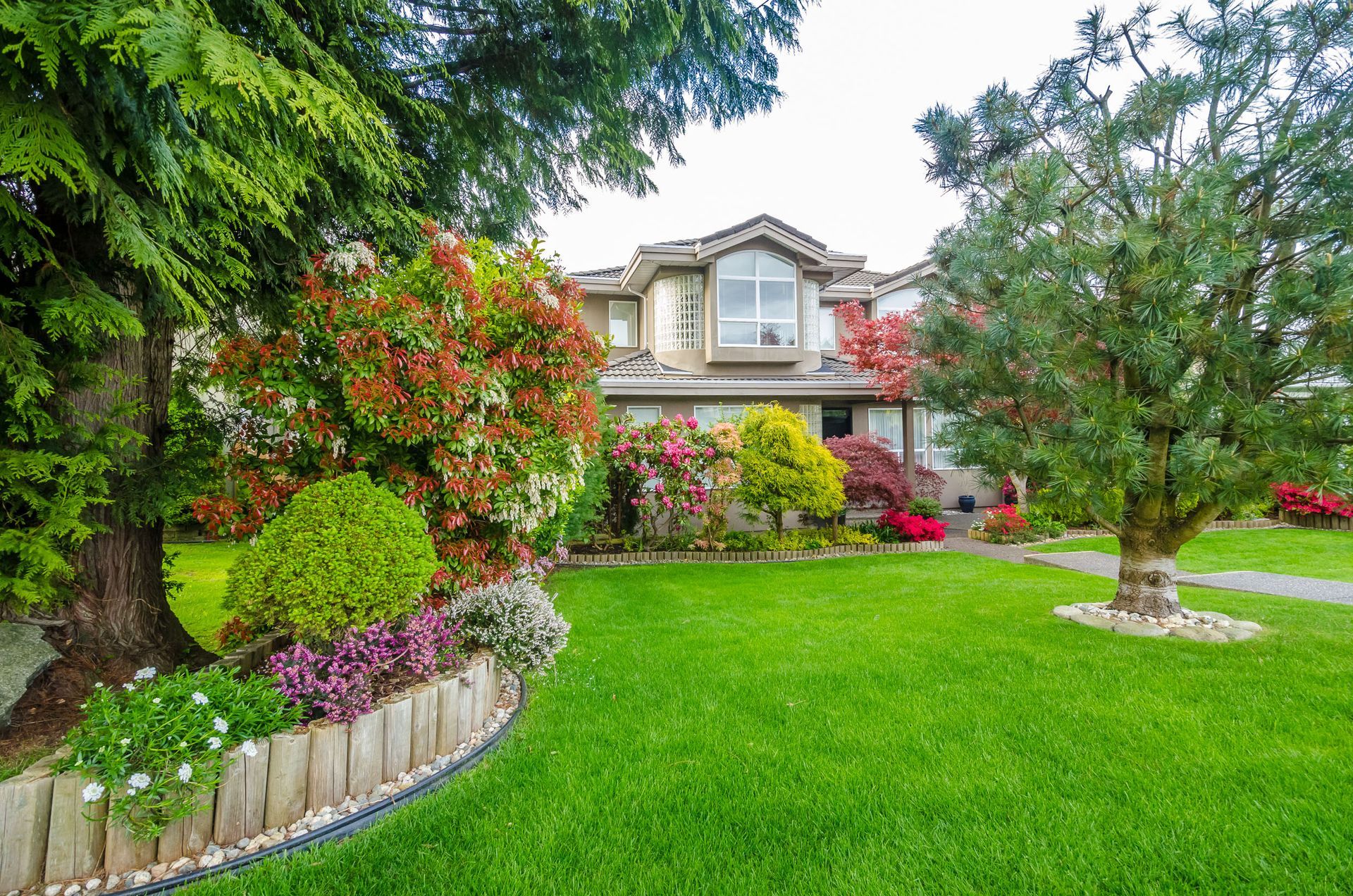
Landscape designers often choose plant combinations that match the home’s architecture while also thriving in the local climate. This ensures that the design remains attractive throughout the year and continues to develop in a natural, cohesive way over time.
Lighting also plays an important role in curb appeal because it highlights focal points and improves visibility during nighttime hours. When landscape designers combine lighting with plant arrangements and entryway features, the result is a welcoming and polished exterior.
Creating More Functional Outdoor Living Spaces
Modern outdoor living is a major focus for many landscape designers because homeowners want usable spaces that extend beyond interior rooms. Patios, seating areas, and decks are often introduced to create comfortable zones for relaxation and social gatherings.
These functional areas are carefully planned so they do not feel disconnected from the rest of the yard. Landscape designers ensure that transitions between grass, garden beds, and hardscape features feel natural and easy to navigate.
Outdoor kitchens and dining spaces are also becoming more popular additions because they encourage people to spend more time outside. By integrating these features seamlessly, landscape designers help homeowners enjoy a more flexible and enjoyable lifestyle.
Supporting Environmental Balance and Sustainability
Sustainability is a key consideration in modern landscaping, and landscape designers often prioritize eco-friendly choices during planning. Native plants are commonly used because they require less water and adapt more easily to local soil and weather conditions.
Water conservation is another important factor, and efficient irrigation systems are frequently included in design plans. These systems allow landscape designers to reduce waste while still maintaining healthy and vibrant plant life across the property.
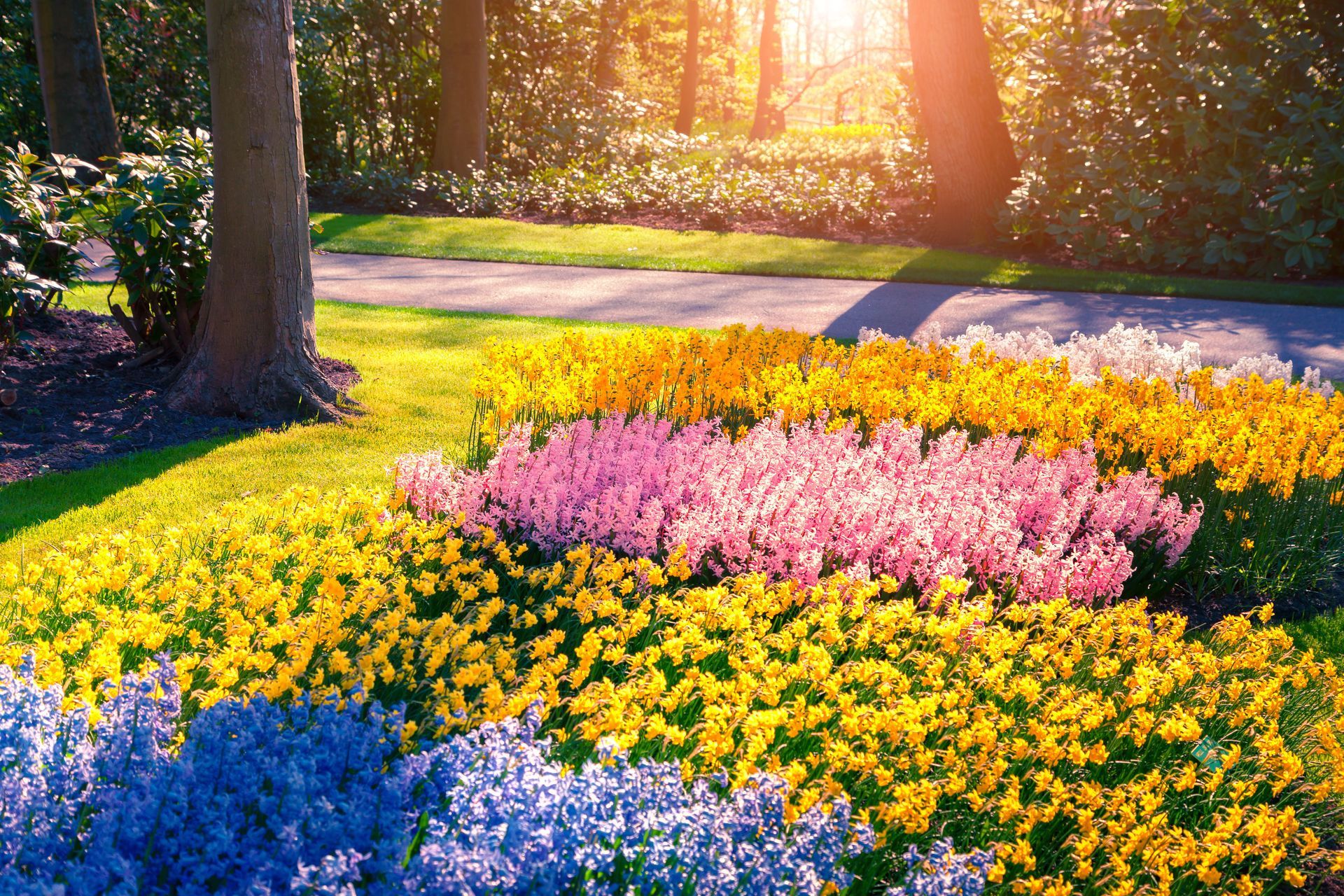
Landscape designers also contribute to biodiversity by incorporating plant varieties that attract pollinators and support local ecosystems. This creates outdoor environments that are not only attractive but also environmentally beneficial in the long term.
The Design Process Landscape Designers Follow
The process used by landscape designers typically begins with a detailed site analysis that examines soil conditions, sunlight exposure, drainage patterns, and existing structures. This stage is important because it ensures that every design decision is grounded in real environmental conditions rather than assumptions.
After the initial assessment, landscape designers develop conceptual layouts that outline how different areas of the yard will function and flow together. These early designs help homeowners visualize the transformation and allow adjustments before construction begins.
Once a concept is approved, detailed planning begins, including plant selection, material choices, and construction drawings. Landscape designers carefully coordinate these elements so the final installation aligns with both the homeowner’s goals and the property’s natural conditions.
Seasonal Maintenance and Long-Term Care
Even the best-designed outdoor spaces require ongoing care, and landscape designers often plan with long-term maintenance in mind. Seasonal changes can affect plant health, structure stability, and overall appearance, so regular upkeep becomes essential for lasting results.
Pruning, fertilizing, and irrigation adjustments are common maintenance tasks that help landscapes stay healthy throughout the year. Landscape designers often recommend maintenance schedules that match plant types and climate conditions to ensure consistent growth and visual appeal.
Long-term care also involves monitoring soil health and replacing aging plants or materials when necessary. By planning for these factors early, landscape designers help homeowners preserve both the beauty and functionality of their outdoor spaces over time.
Improving Privacy and Creating Secure Outdoor Environments
Privacy is a major concern for many homeowners, and landscape designers use natural solutions such as hedges, trees, and layered planting to create visual barriers. These elements help define space while still maintaining an open and natural appearance.
Structural additions like fences and walls are also used to increase privacy and establish clear property boundaries. Landscape designers often blend these features with greenery so they feel like part of the overall design rather than separate elements.
Lighting design is another important factor in outdoor security because it helps illuminate pathways and reduce dark areas around the property. When landscape designers carefully position lighting, they enhance both safety and visual appeal at the same time.
Boosting Property Value Through Professional Design
One of the most noticeable benefits of working with landscape designers is the increase in property value that often follows a well-executed project. A thoughtfully designed outdoor space can significantly improve a home’s market appeal and attract more potential buyers.
High-quality materials and professional installation methods also contribute to long-term value because they reduce maintenance issues and extend the lifespan of outdoor features. Landscape designers carefully select materials that balance durability with visual appeal to ensure lasting results.
Timeless design principles are often used to ensure that landscapes remain attractive even as trends change over time. According to Grand View Research, landscape and garden maintenance services represent roughly 43.7 % of total landscaping revenue, highlighting the dominance of regular upkeep services in the industry. This ongoing maintenance supports the long-term value created by landscape designers and keeps properties looking their best.
In many cases, well-planned outdoor spaces also create emotional value for homeowners because they improve daily comfort and usability. This combination of financial and lifestyle benefits makes professional landscaping one of the most impactful property investments available today.
Enhancing Well-being and Outdoor Relaxation
Outdoor spaces designed by landscape designers often focus on improving relaxation and mental well-being. Gardens, shaded seating areas, and quiet corners provide homeowners with places to unwind and connect with nature.
Water features such as fountains and small ponds are frequently used to create a calming atmosphere. The sound of flowing water combined with natural surroundings helps reduce stress and encourages a more peaceful outdoor experience.
Aromatic plants are also commonly included in designs to enhance sensory engagement and relaxation. By carefully combining sight, sound, and scent, landscape designers create outdoor environments that support overall wellness and comfort.
Local Expertise for Connecticut Properties
For homeowners in Connecticut, working with experienced landscape designers who understand regional soil conditions, seasonal weather patterns, and native plant selections can make a significant difference in long-term results. Local expertise ensures that outdoor spaces are designed to withstand cold winters, humid summers, and shifting seasonal changes without losing their structure or visual appeal.
Landscape designers familiar with Connecticut also know how to select materials and plants that perform well in the Northeast climate while minimizing maintenance demands. This approach helps homeowners achieve landscapes that remain healthy, attractive, and functional throughout the year while aligning with the natural environment of the region.
Landscape design is a powerful way to transform outdoor spaces into functional, attractive, and meaningful environments. Skilled landscape designers bring together creativity and technical planning to improve usability, appearance, and long-term sustainability.
From enhancing curb appeal to increasing property value and supporting well-being, the work of landscape designers has a lasting impact on how people experience their homes. As outdoor living continues to grow in importance, thoughtful landscape design remains an essential part of modern property development. For more information, contact Stony Hill Landscaping.