January 30, 2026
Outdoor spaces play a vital role in enhancing the appearance, functionality, and overall value of both residential and commercial properties. From creating inviting environments for relaxation to supporting sustainability and long-term property performance, thoughtful landscaping makes a meaningful impact. Local landscapers bring specialized knowledge, creativity, and hands-on experience to every project, allowing them to design outdoor spaces that reflect individual preferences while responding to regional climate and environmental conditions. This article explores the many ways local landscapers improve outdoor spaces, including aesthetic design, sustainable solutions, outdoor living enhancements, property value growth, environmental resilience, and professional maintenance services.
1. Designing Aesthetically Pleasing Gardens
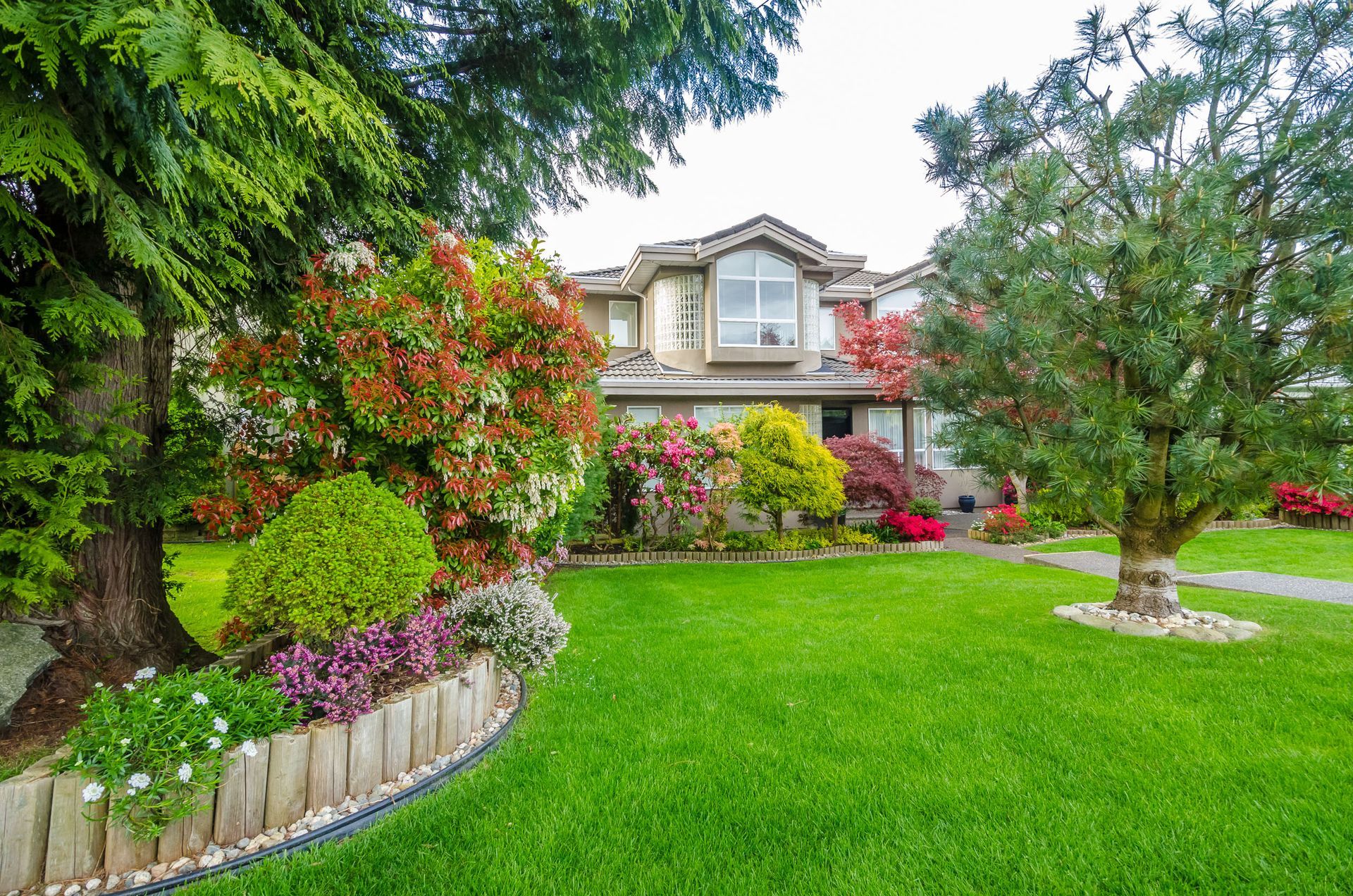
One of the primary roles of local landscapers is to create gardens that captivate the senses and provide visual appeal. By understanding client preferences through detailed consultations, landscapers tailor designs that meet individual aesthetics and functional needs. This personalized approach ensures that each garden reflects the personality and lifestyle of its owner while adhering to practical considerations. Moreover, landscapers are adept at selecting plant varieties that thrive in specific climates, optimizing plant health and longevity. The use of a diverse range of flora ensures a harmonious blend of colors, textures, and shapes, providing an aesthetically pleasing experience year-round.
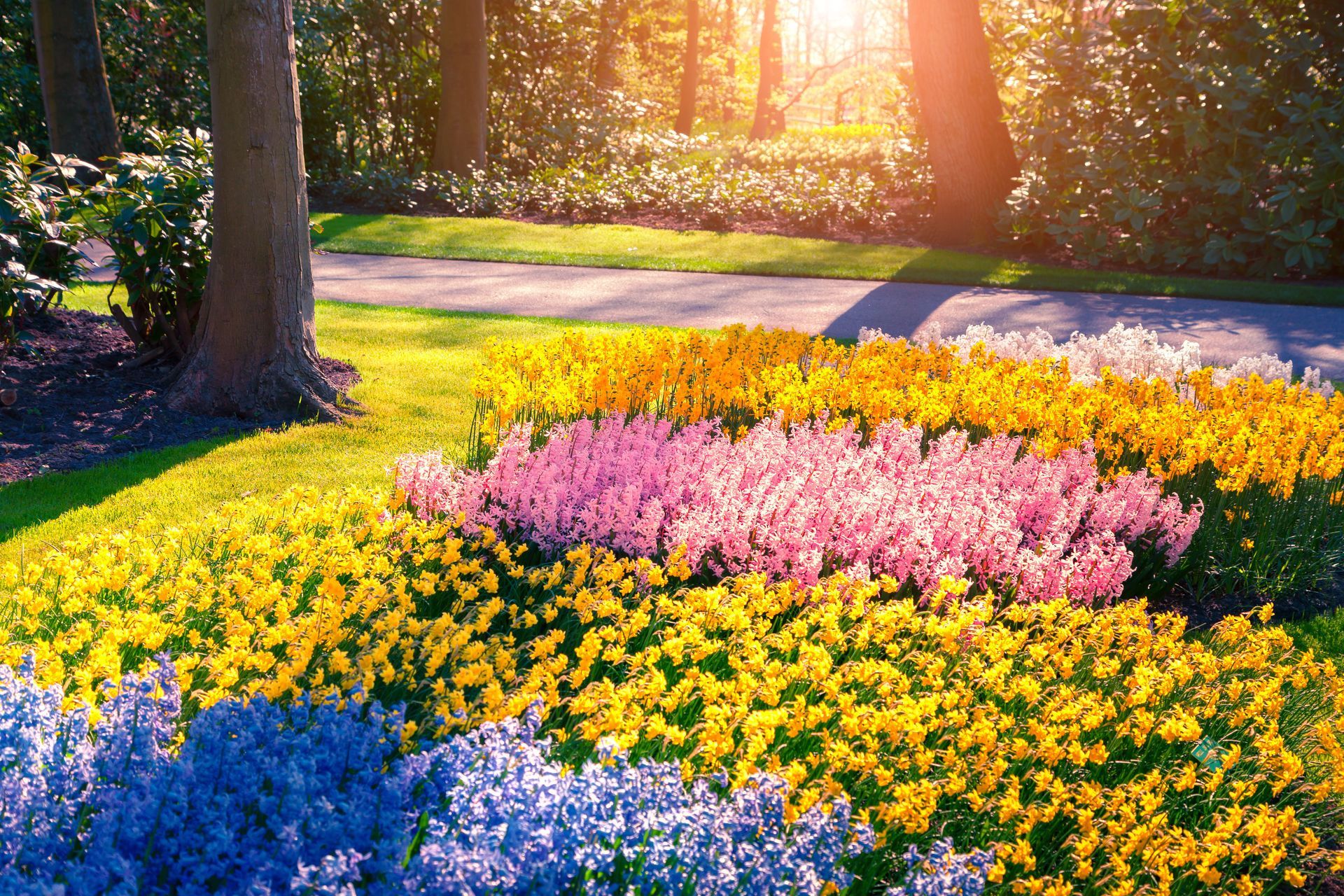
Incorporating seasonal changes into garden design is another hallmark of skilled landscapers. They select plants that offer sequential blooms, ensuring that gardens remain vibrant across different seasons. Additionally, landscape designers often use deciduous and evergreen plants in tandem to provide structure and color during all seasonal transitions. Balancing color and texture is essential in cultivating a garden that is both visually striking and comforting. Various plant textures, from soft grasses to bold foliage, work together to create an engaging sensory experience that enriches outdoor spaces.
Space utilization is a critical consideration in garden design. Landscapers often employ strategies to maximize usable space, creating lush gardens even in small or challenging environments. Vertical gardening, tiered planting, and strategic layout designs help to use every inch efficiently while maintaining a sense of openness. This skillful space management extends not only to plant arrangement but also to pathways, seating areas, and decorative elements, ensuring that gardens are both beautiful and functional.
2. Implementing Sustainable Landscaping Practices
As environmental concerns rise, sustainable landscaping practices have gained prominence, with local landscapers leading the charge. By utilizing native plants, they ensure that gardens are not only beautiful but also eco-friendly and resilient. Native plants require less water and are adapted to local soil and climate conditions, reducing the need for external inputs. This approach benefits biodiversity by providing habitats for local wildlife, such as pollinators and birds. The choice of native flora supports an ecosystem-centric landscape design, fostering sustainability in every project.
Water conservation is another priority for landscapers committed to sustainability. Smart irrigation systems, which adjust water usage based on weather conditions and soil moisture, are commonly employed to conserve water resources. These systems rely on technological advancements to reduce waste and ensure plants receive the appropriate amount of water. Landscapers also reduce the use of chemicals by implementing organic and integrated pest management techniques, leading to healthier landscapes. This minimizes environmental impact and ensures a safer environment for humans and wildlife alike.
Promoting biodiversity and encouraging soil health are vital components of sustainable landscape practices. By increasing plant diversity, landscapers create resilient ecosystems that can withstand pests and diseases more effectively than monocultures. Additionally, organic fertilizers and soil amendments are used to improve soil structure and nutrient content, supporting robust plant growth. According to Jobber, the landscaping industry employs over 1.2 million professionals, with a growing demand for skilled workers passionate about sustainability. This commitment ensures landscapes thrive naturally and maintain ecological balance.
3. Enhancing Outdoor Living Spaces
Creating comprehensive outdoor living spaces is a key service provided by local landscapers, transforming yards into functional and inviting retreats. Outdoor kitchens and dining areas have become popular extensions of the home, offering opportunities for alfresco cooking and dining. Landscapers expertly integrate these features into existing landscapes, using durable and aesthetically pleasing materials. These outdoor areas are designed to withstand various weather conditions while providing comfort and convenience. Such enhancements increase the usability of outdoor spaces, making them ideal for hosting gatherings or enjoying family meals.
Relaxation zones are another element that landscapers expertly incorporate into outdoor environments. By designing areas equipped with comfortable seating, water features, or shaded pergolas, landscapers create peaceful sanctuaries within the confines of a yard. These zones offer a respite from the hustle and bustle of daily life, encouraging leisurely activities such as reading or meditation. Fire pits and heaters add warmth and ambiance, extending the enjoyment of outdoor spaces into cooler months. These features act as focal points for social interactions, enhancing the overall outdoor experience.
Children's play areas and smart lighting solutions are crucial for families looking to maximize the function of their outdoor spaces. Landscapers design safe, engaging play areas that stimulate children's imagination while ensuring adult supervision. These spaces often include natural elements such as sand, logs, and plant tunnels to encourage creative play. Furthermore, smart lighting solutions enhance security and visibility, allowing outdoor spaces to be enjoyed well into the night. Through strategic lighting placement, landscapers highlight key features, improving aesthetics and safety simultaneously.
4. Boosting Property Value
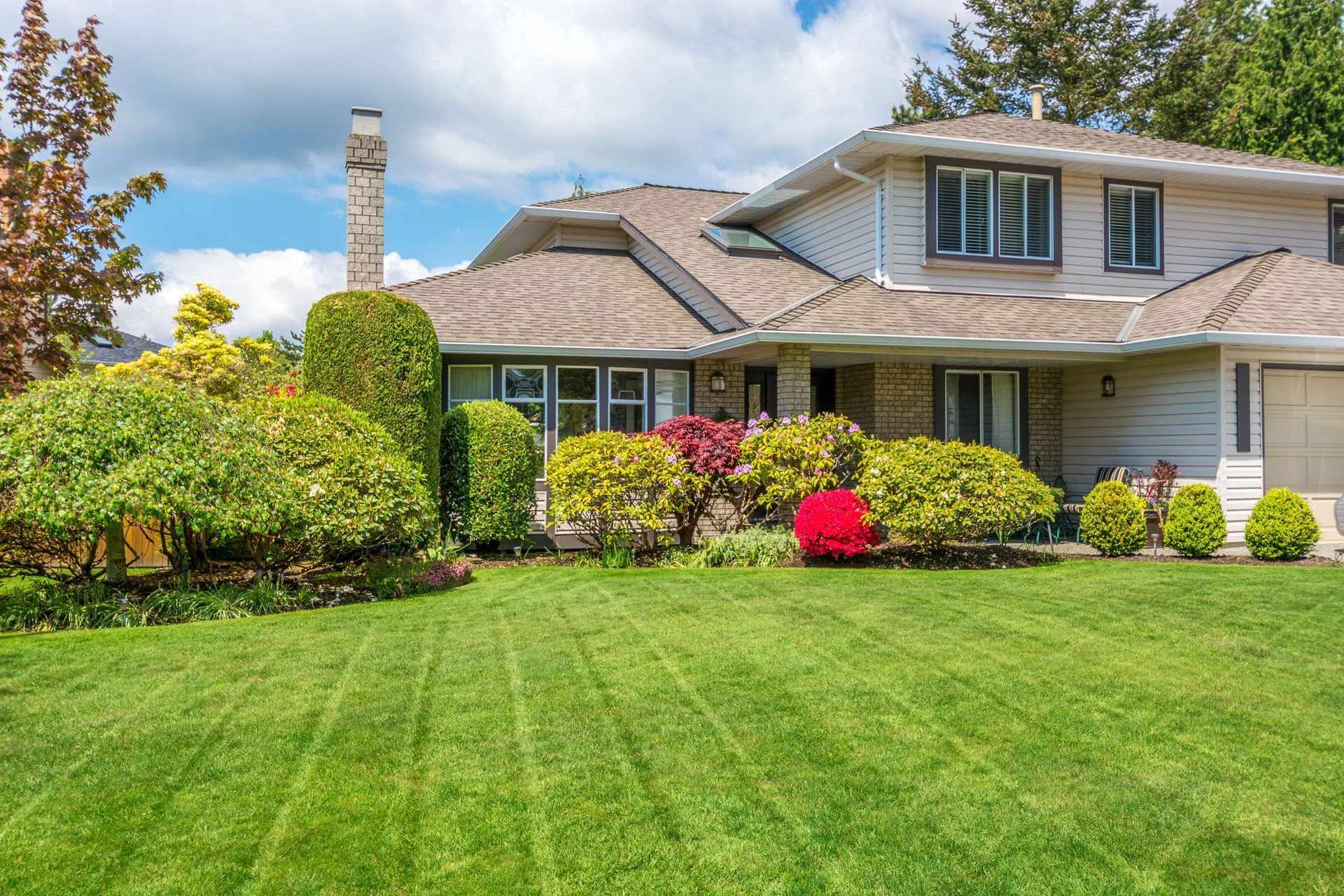
One significant advantage of professional landscaping is its ability to boost property value by improving aesthetics and functionality. By enhancing curb appeal through well-maintained gardens and entryways, landscapers make a strong first impression on potential buyers. A well-landscaped home can significantly impact a buyer's perception, setting the stage for a positive experience. Investment in quality materials is another factor contributing to increased property value, as durable hardscaping and plantings present long-term appeal and diminish ongoing maintenance costs. Landscapers also focus on crafting functional layouts that facilitate easy navigation and use.
Unique features installed by landscapers can further set a property apart, enhancing its desirability and value. Water features, artistic sculptures, and strategically placed lighting contribute to a property's uniqueness, offering potential buyers a distinctive experience. Additionally, low-maintenance design choices appeal to prospective buyers who prefer seamless upkeep, reducing long-term maintenance efforts and expenses. This approach prioritizes perennial plants and durable materials that retain their charm without frequent replacement, ensuring sustained aesthetic quality.
5. Increasing Environmental Resilience
Local landscapers play a vital role in increasing the environmental resilience of outdoor spaces through strategic planning and implementation. Techniques such as erosion prevention through strategic planting can protect soil integrity and stabilize landscapes over time. By choosing plants with deep root systems or groundcovers that hold soil in place, landscapers create natural barriers against soil erosion, particularly on slopes or uneven terrain. This thoughtful approach protects water quality by preventing sediment runoff and minimizing landscape degradation.
Implementing rainwater harvesting systems is another method landscapers use to promote environmental resilience and resource conservation. These systems capture and store rainwater for landscape irrigation, reducing dependency on municipal water supplies. Landscapers design these systems to seamlessly integrate into existing landscapes, often using aesthetic elements like decorative barrels or underground cisterns. This approach not only conserves water but also provides an alternative irrigation method during dry periods, enhancing plant health and resilience.
Local landscapers play an essential role in transforming outdoor spaces into attractive, functional, and resilient environments through expert design, sustainable practices, and ongoing care. By enhancing curb appeal, creating usable outdoor living areas, supporting ecological balance, and increasing property value, professional landscaping offers both immediate and long-term benefits. Thoughtfully planned landscapes not only elevate everyday enjoyment but also contribute to environmental responsibility and durability over time. Partnering with experienced local landscapers allows property owners to fully realize the potential of their outdoor spaces while investing in beauty, functionality, and sustainability for years to come. Reach out to Stony Hill Landscaping to learn more today.